Girls in Ocean Science Conference
Girls in Ocean Science Conference
The Girls in Ocean Science (GiOS) Conference connects students in grades 6–12 with leading female scientists and ocean professionals, building curiosity, confidence, and pathways into marine science careers. This immersive, hands-on experience blends mentorship with real-world research. Participants engage directly with experts, explore current ocean science, and gain insight into maritime and marine fields.
A Day of Discovery - On Land and At Sea
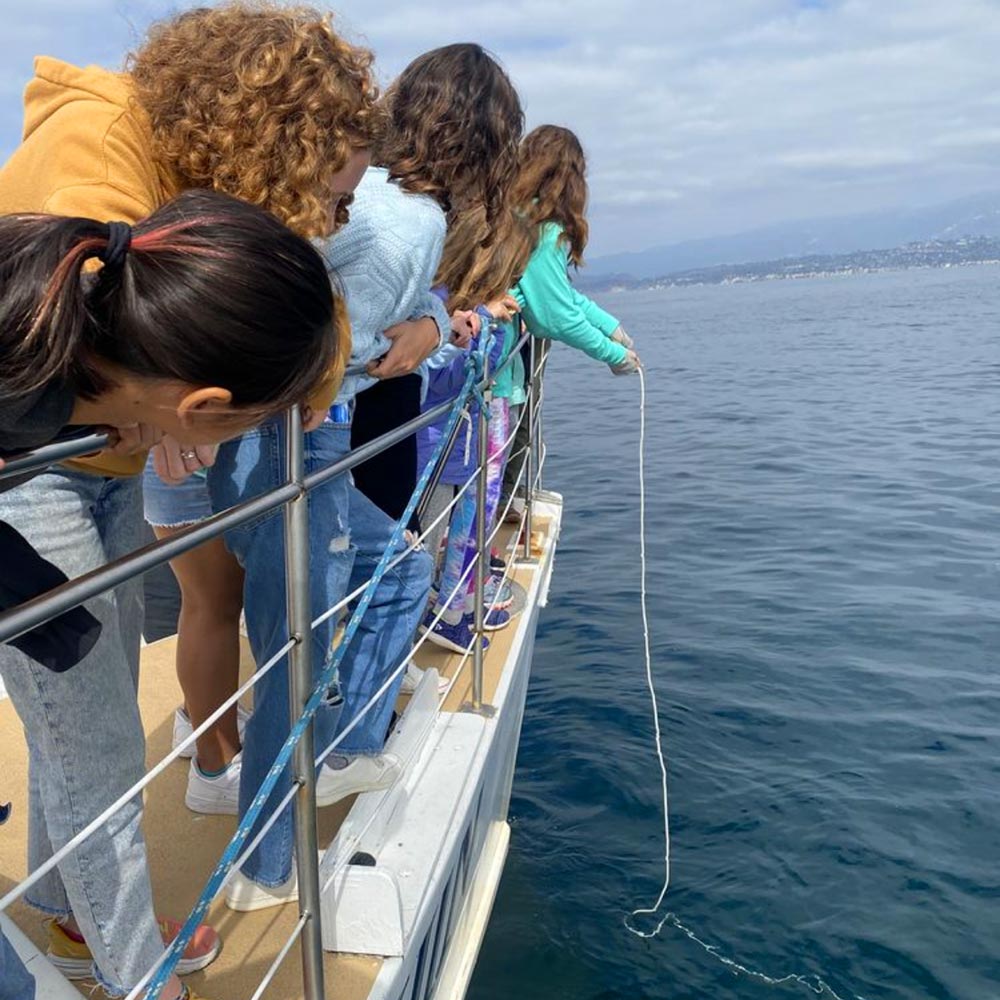
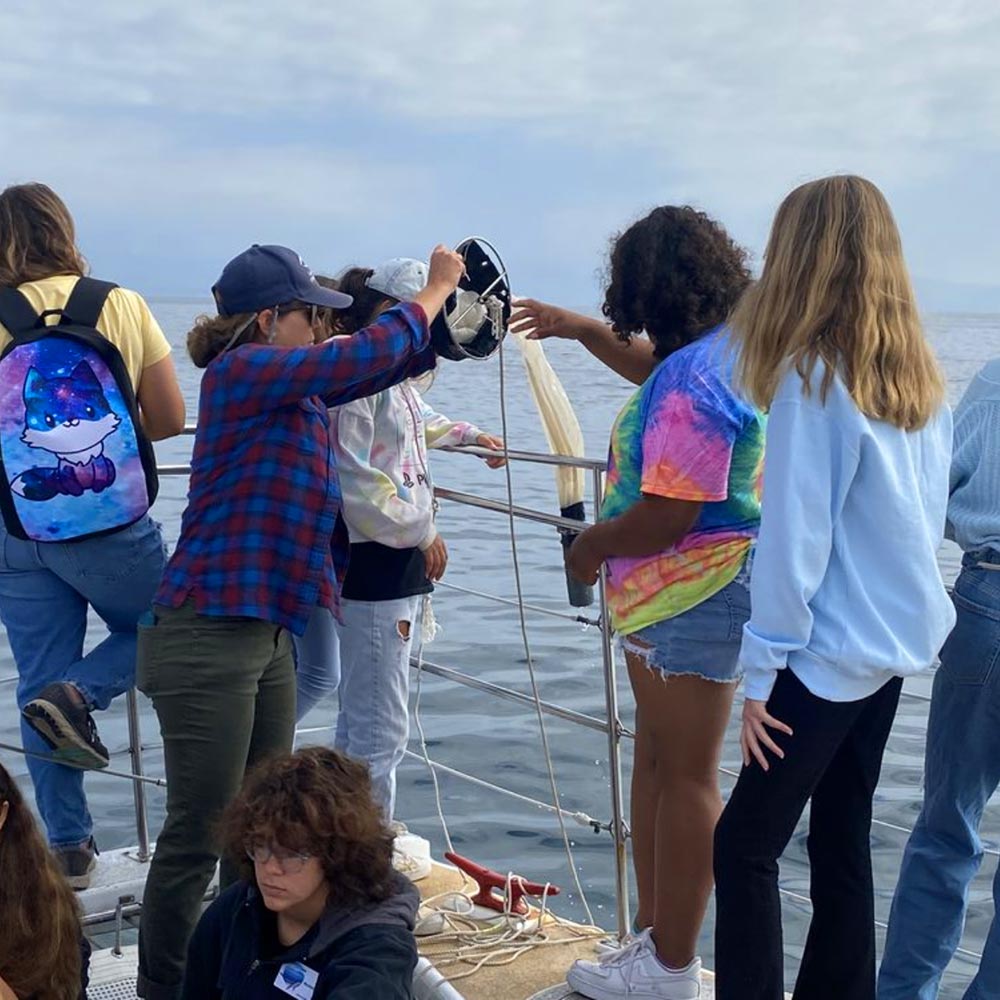
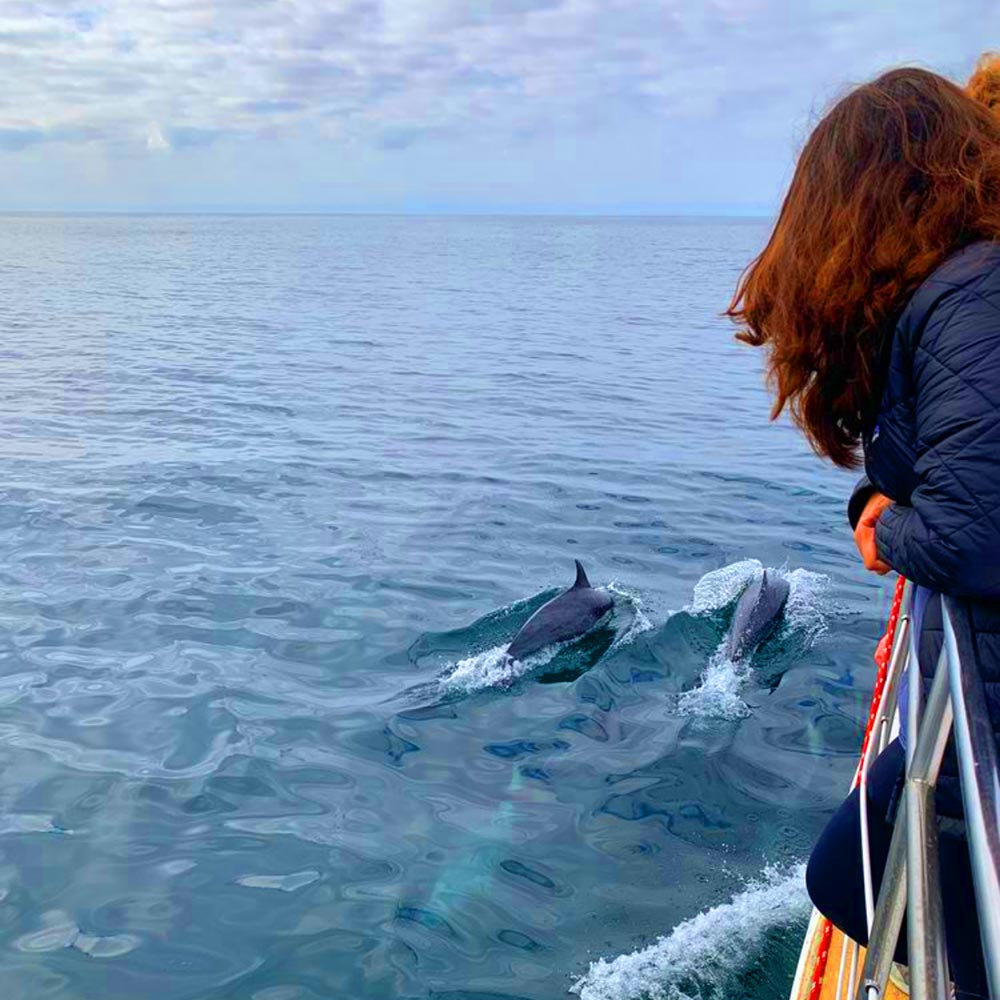
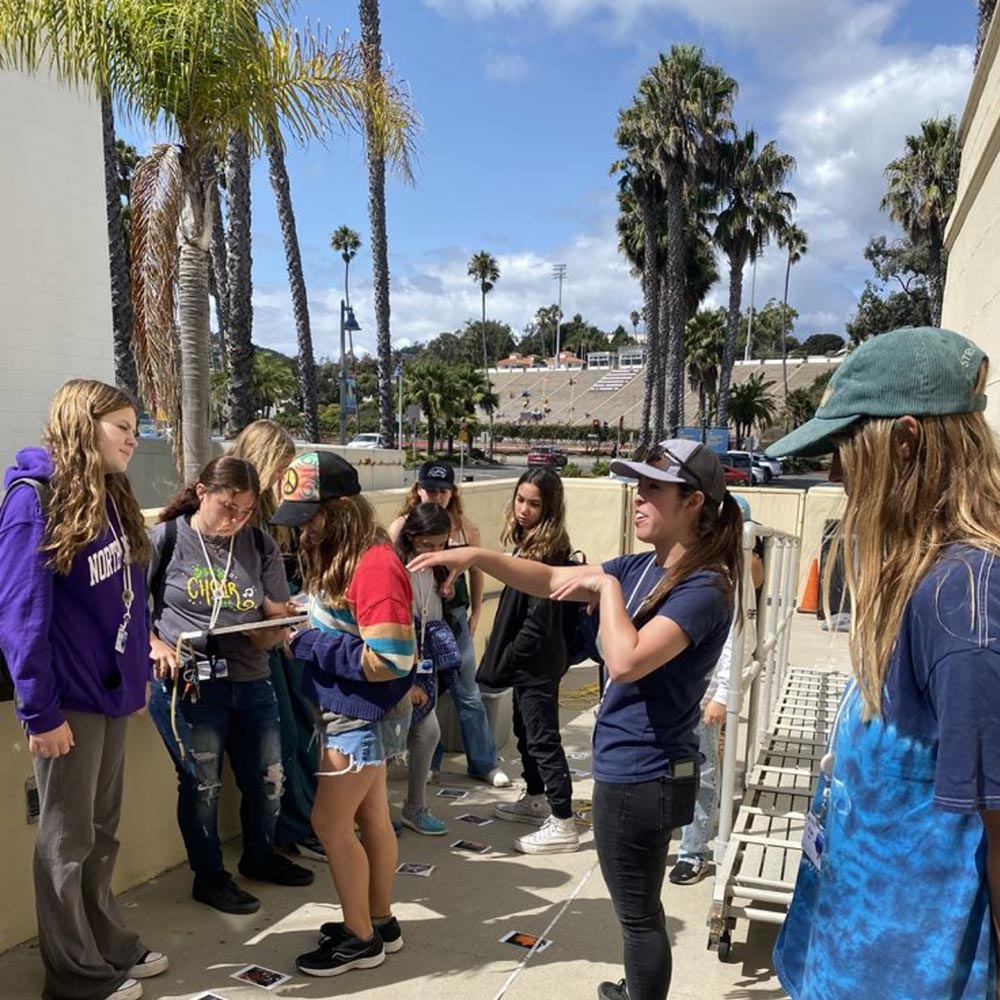
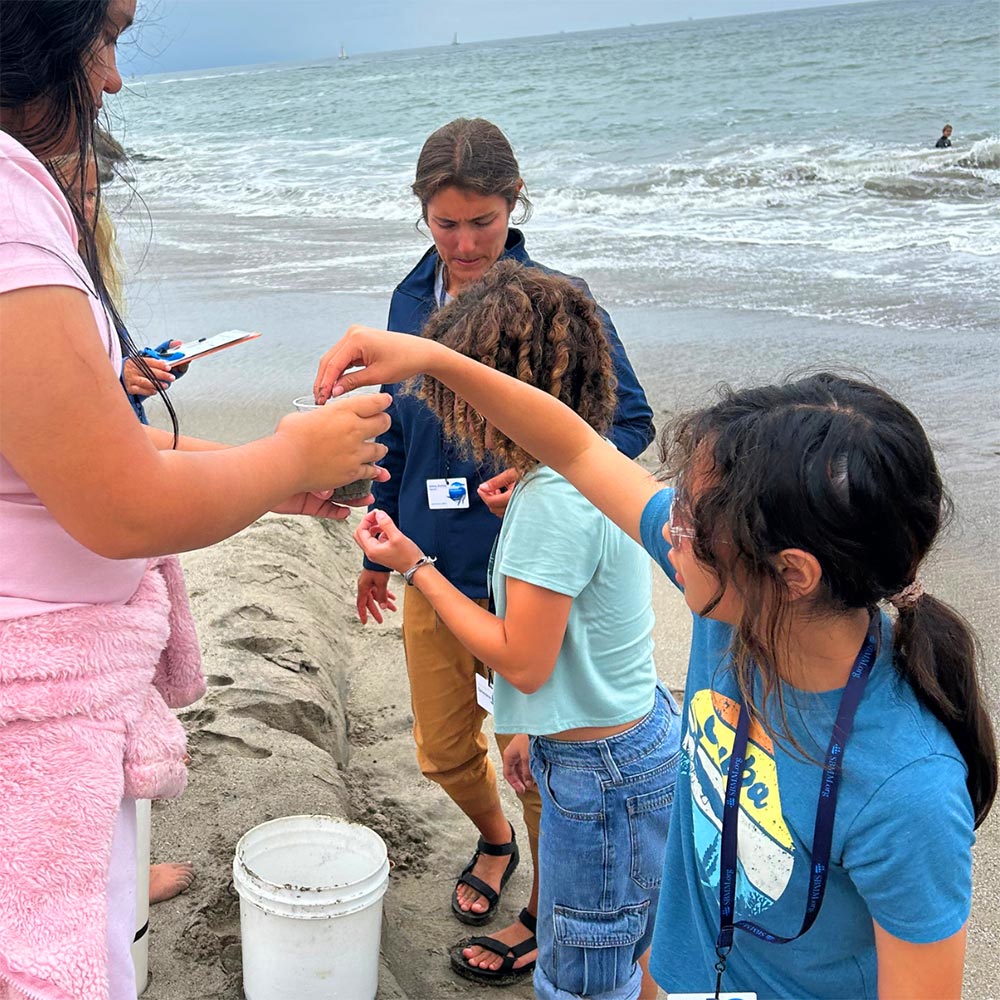
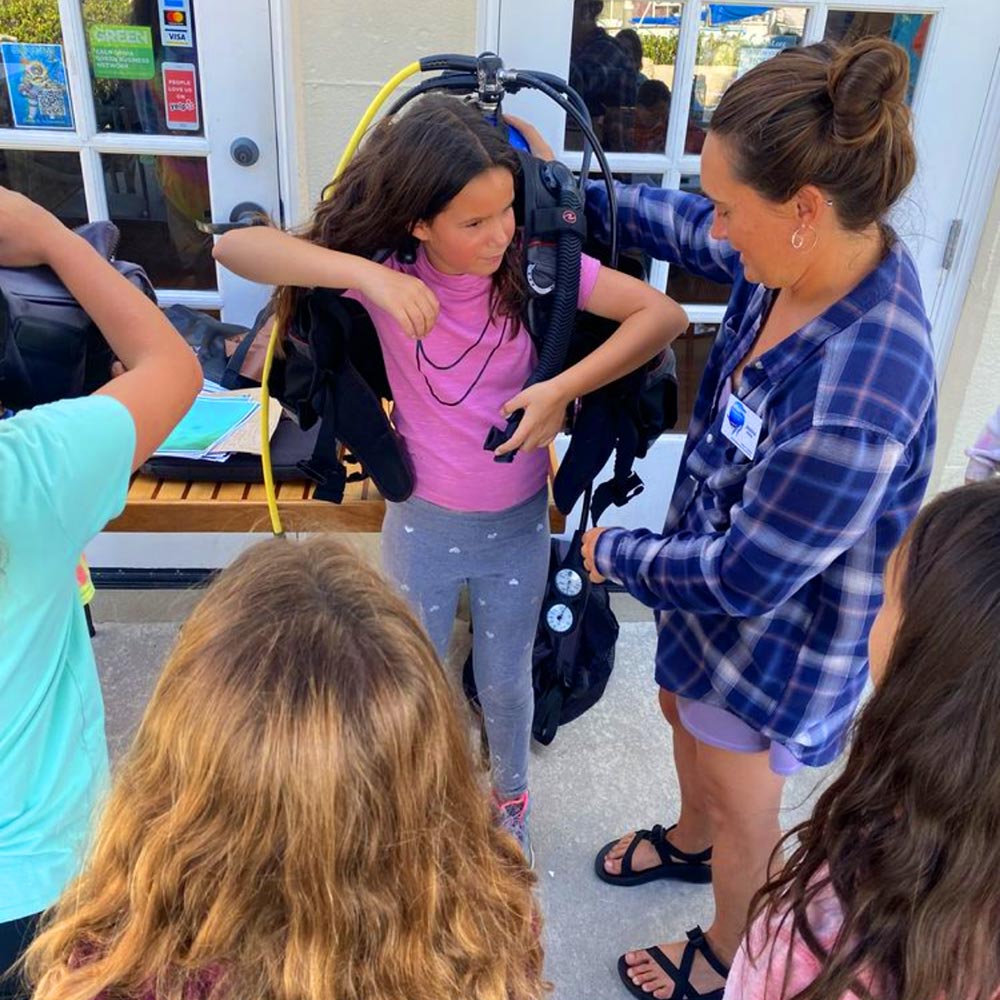
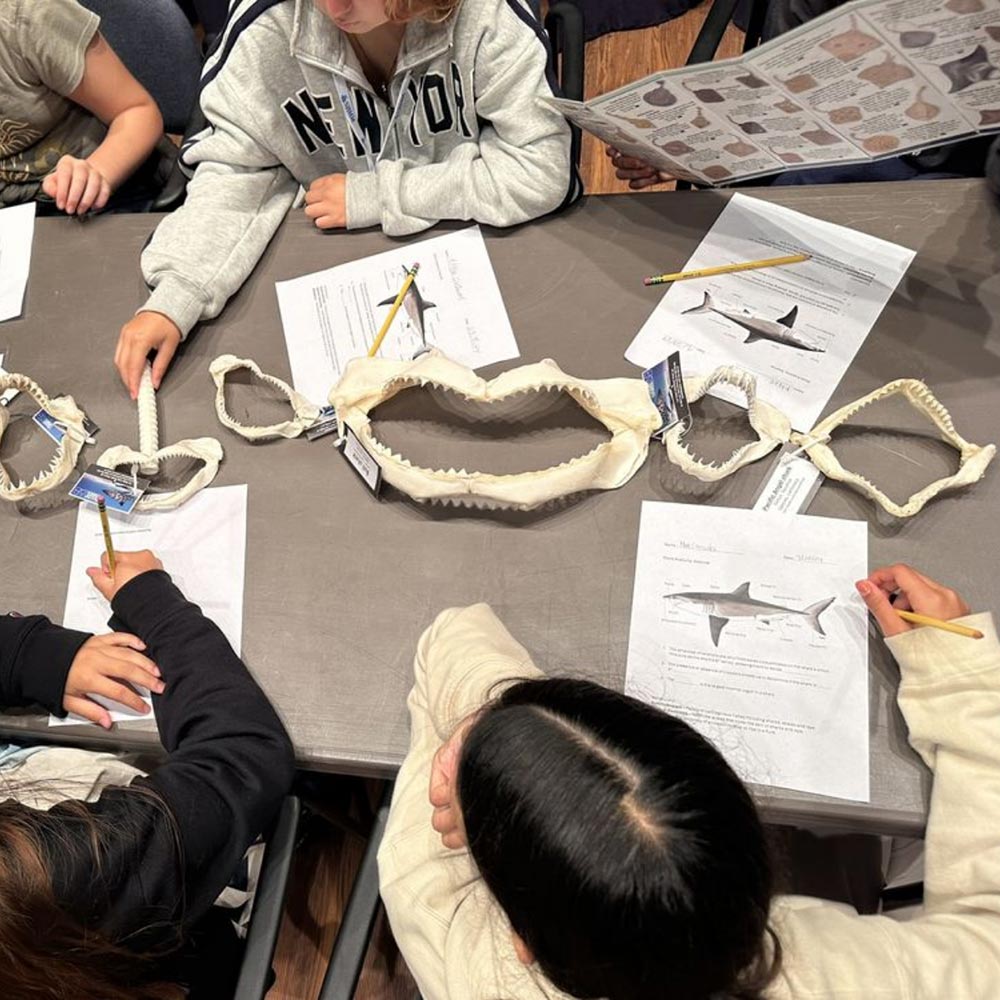
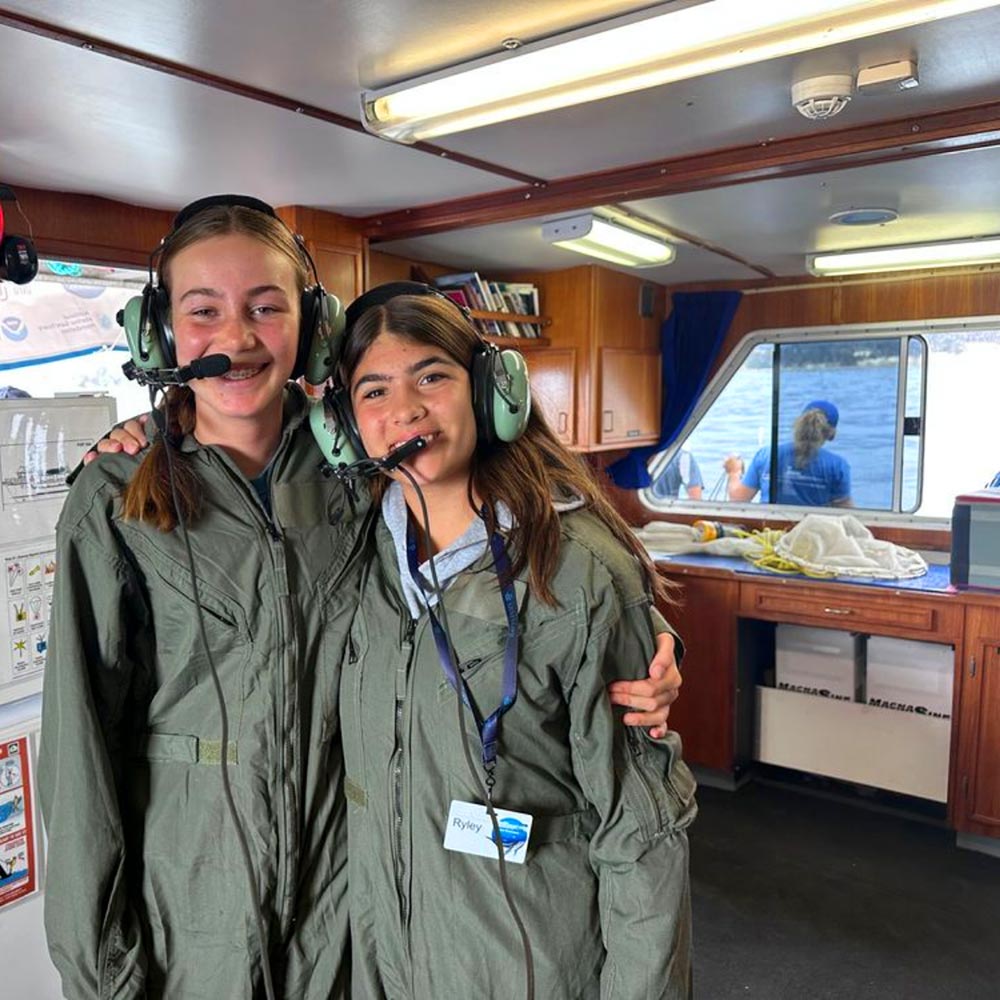
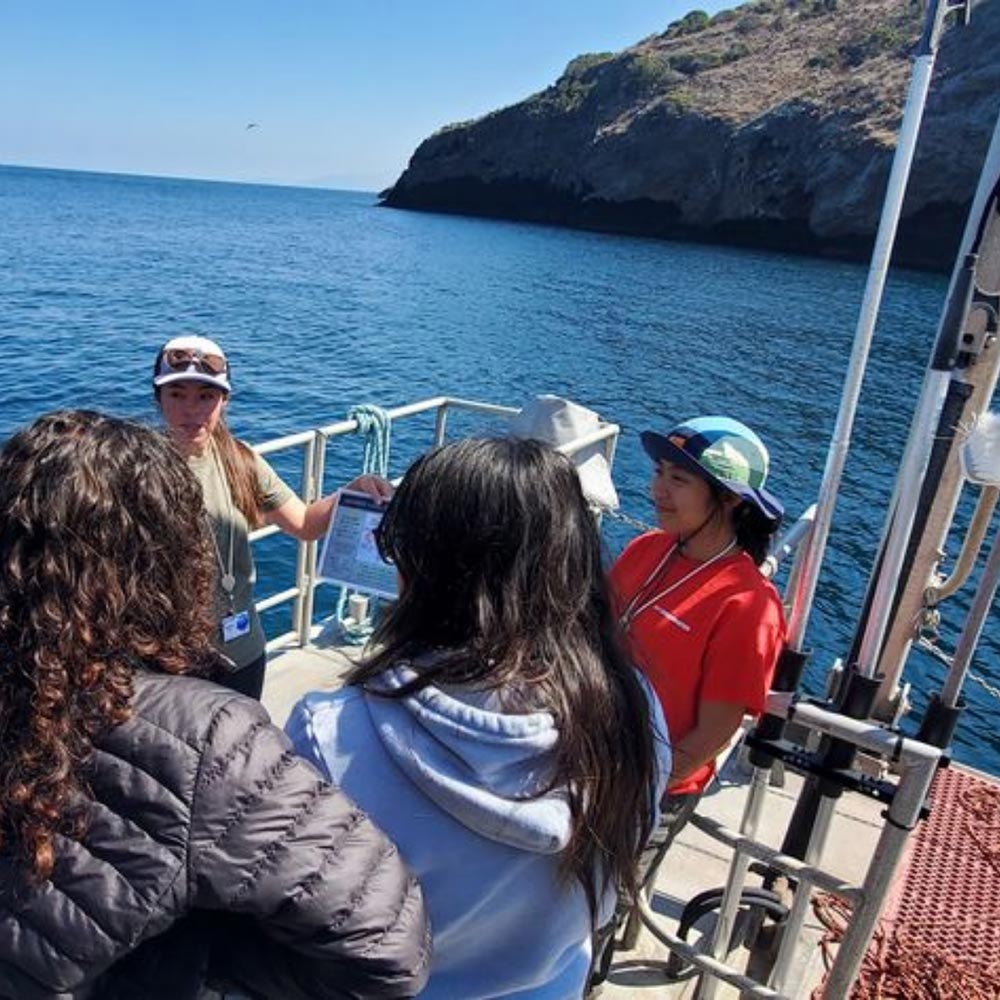
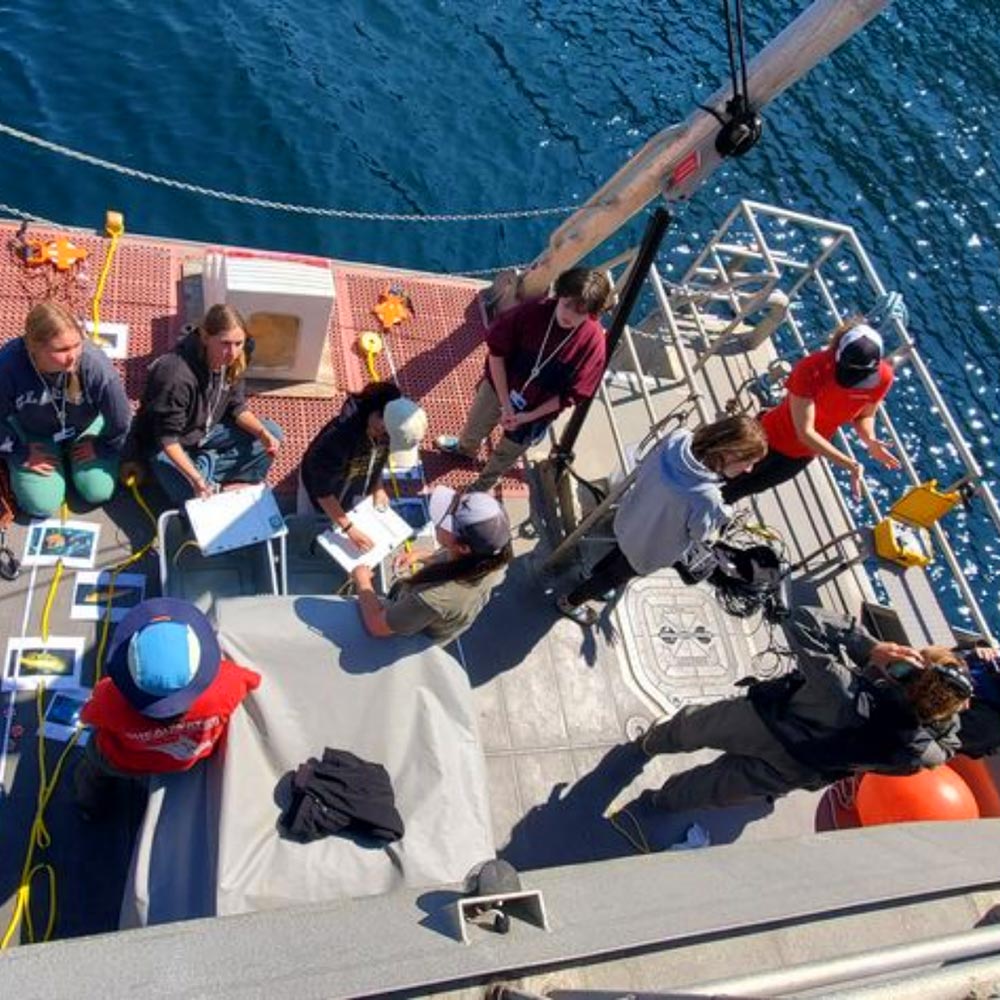
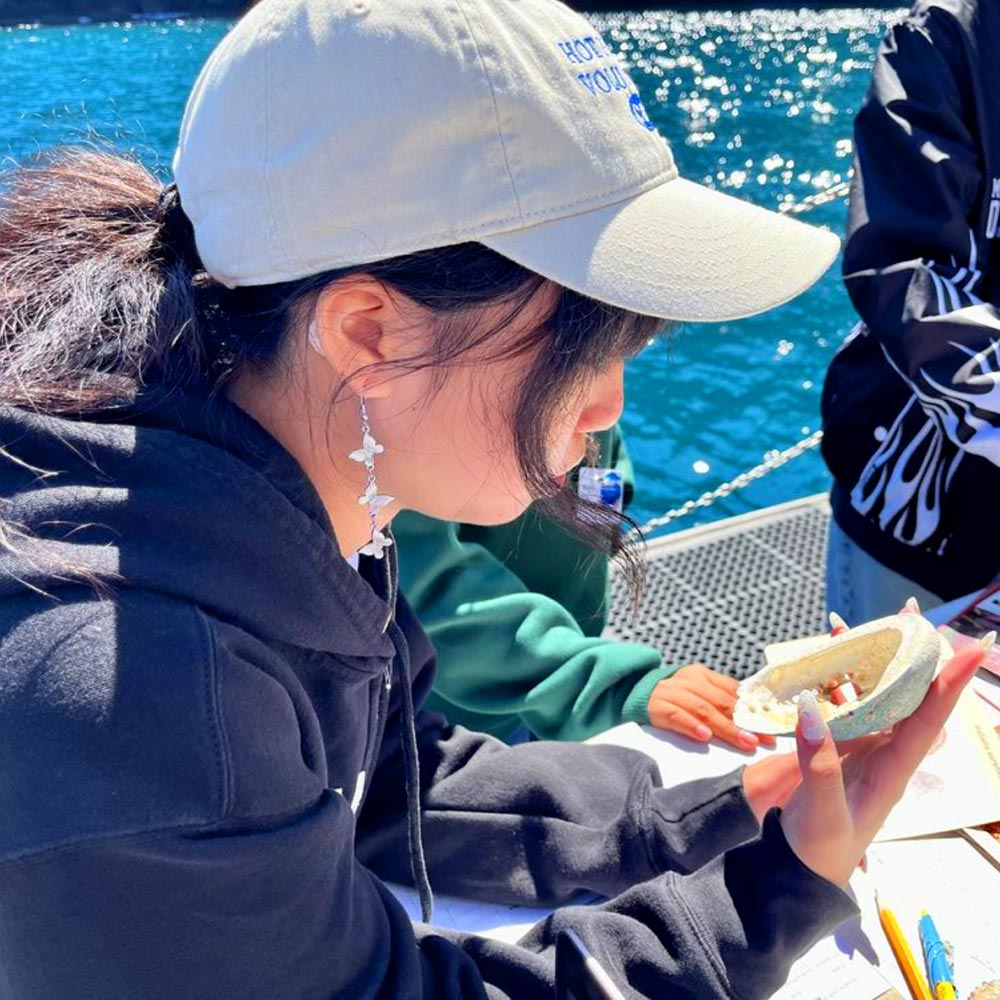
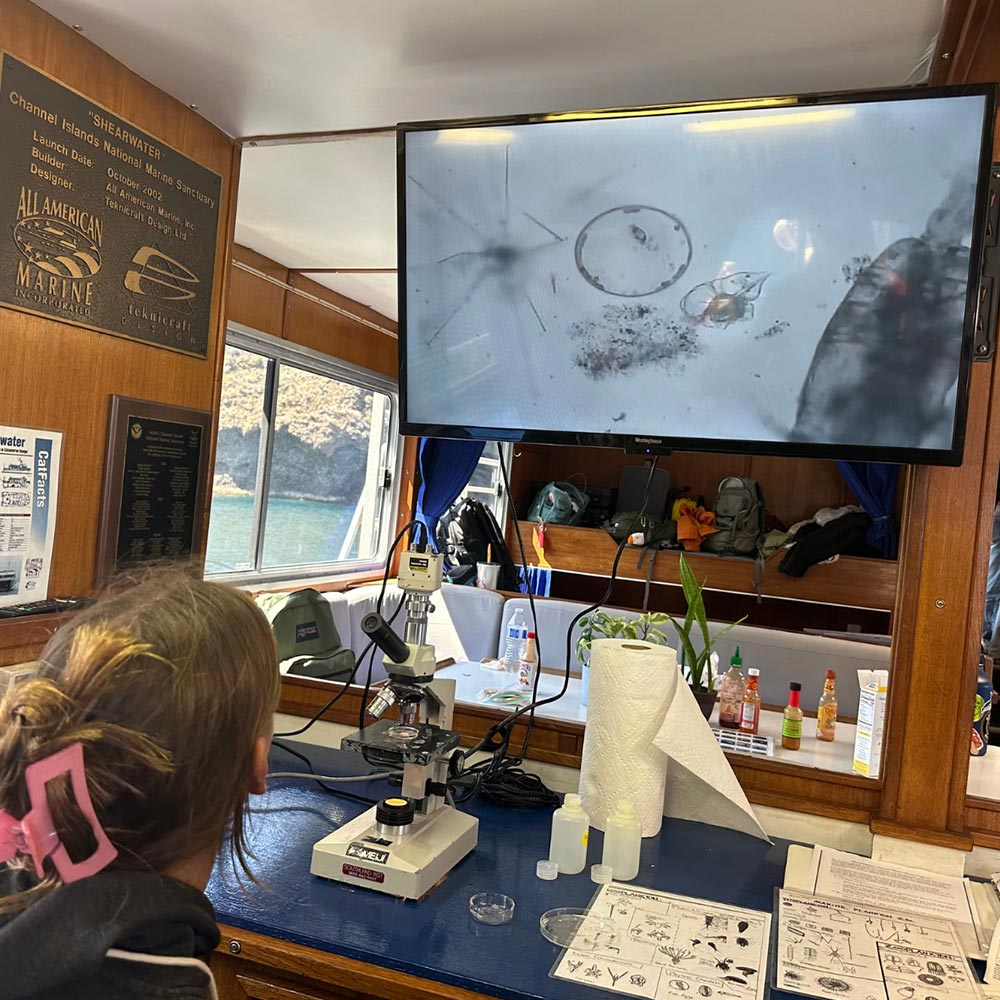
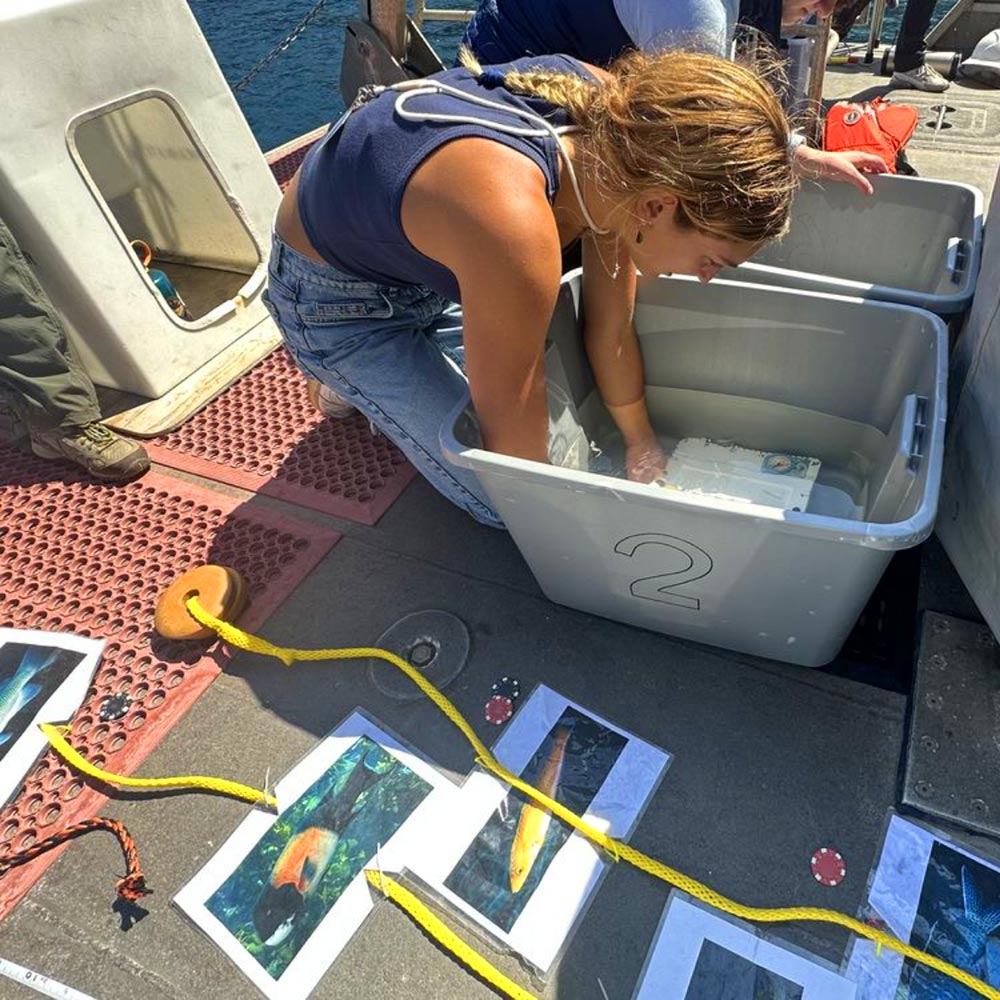
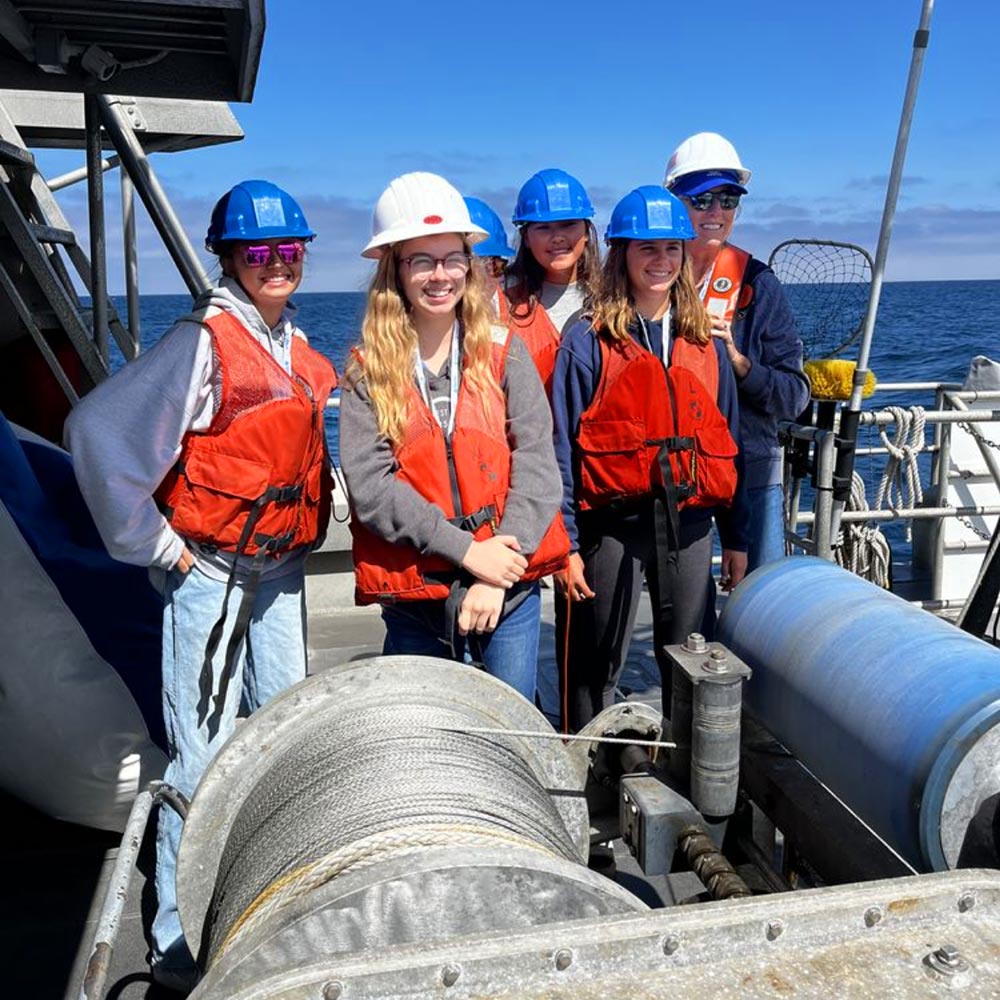
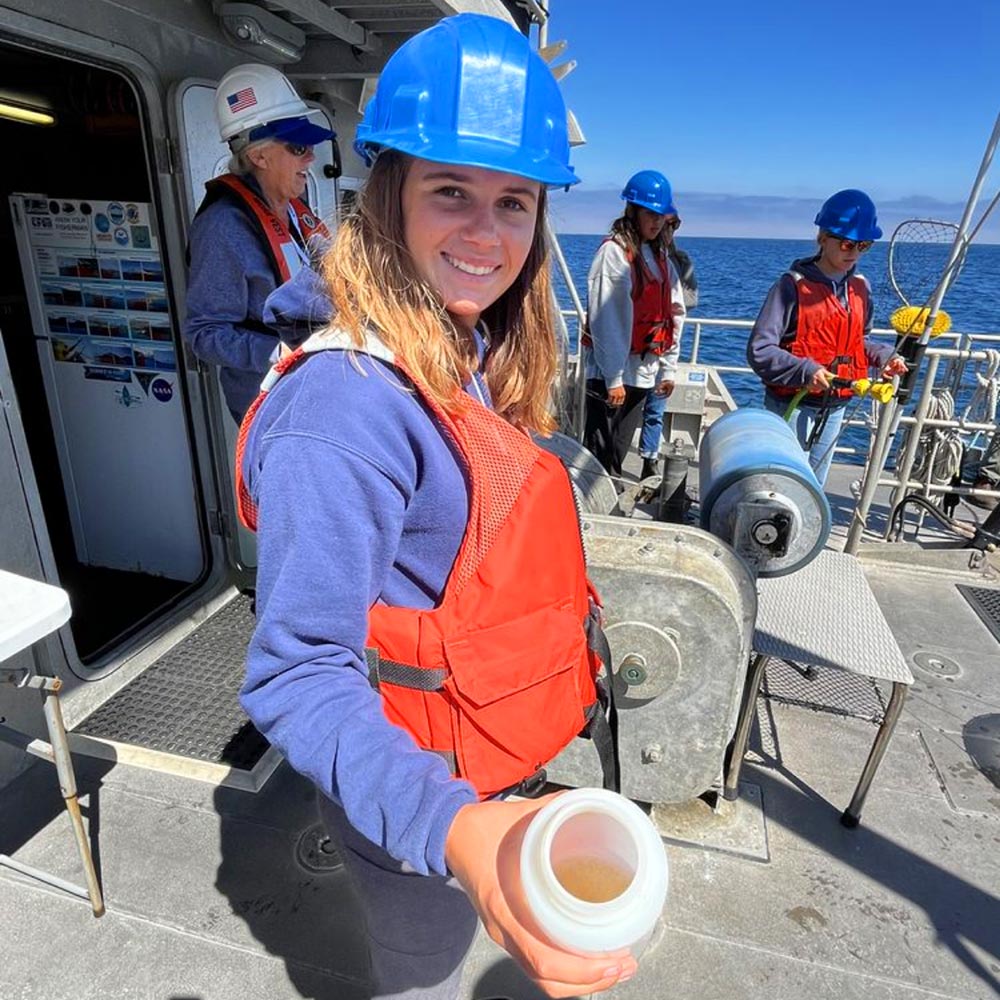
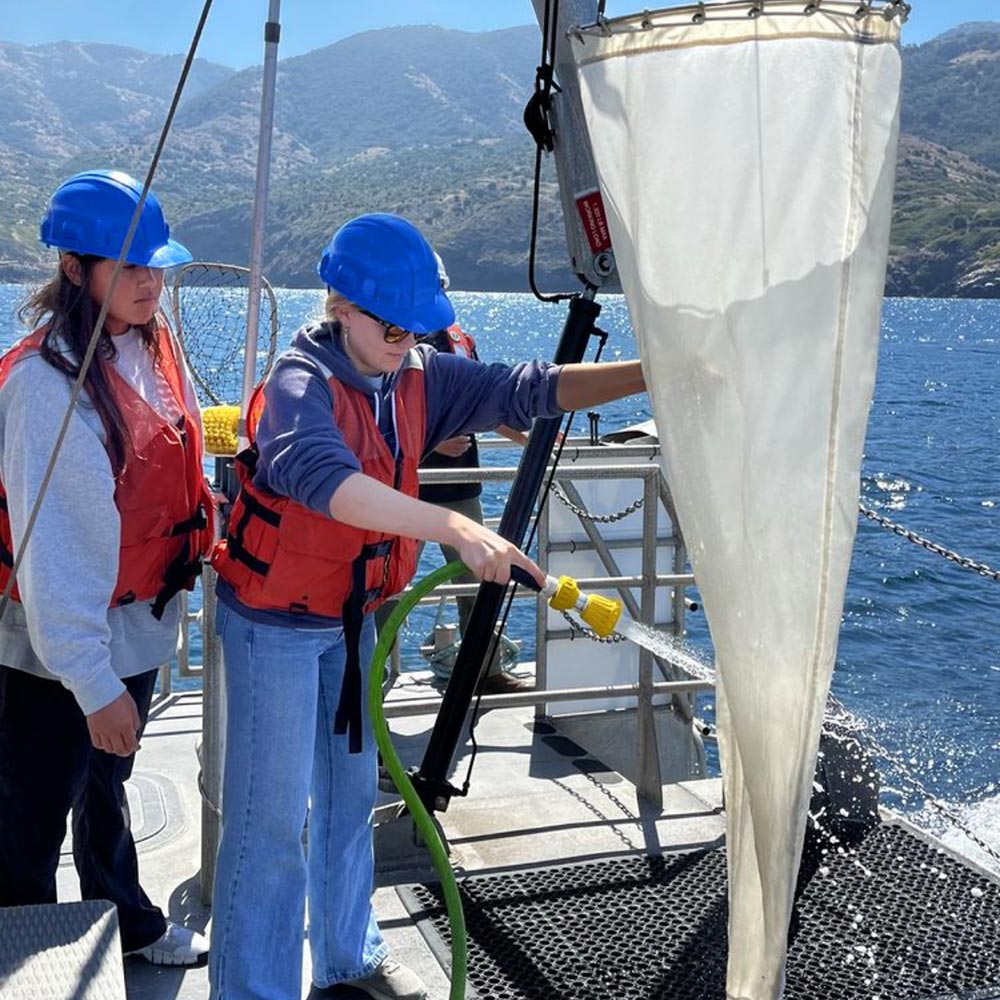
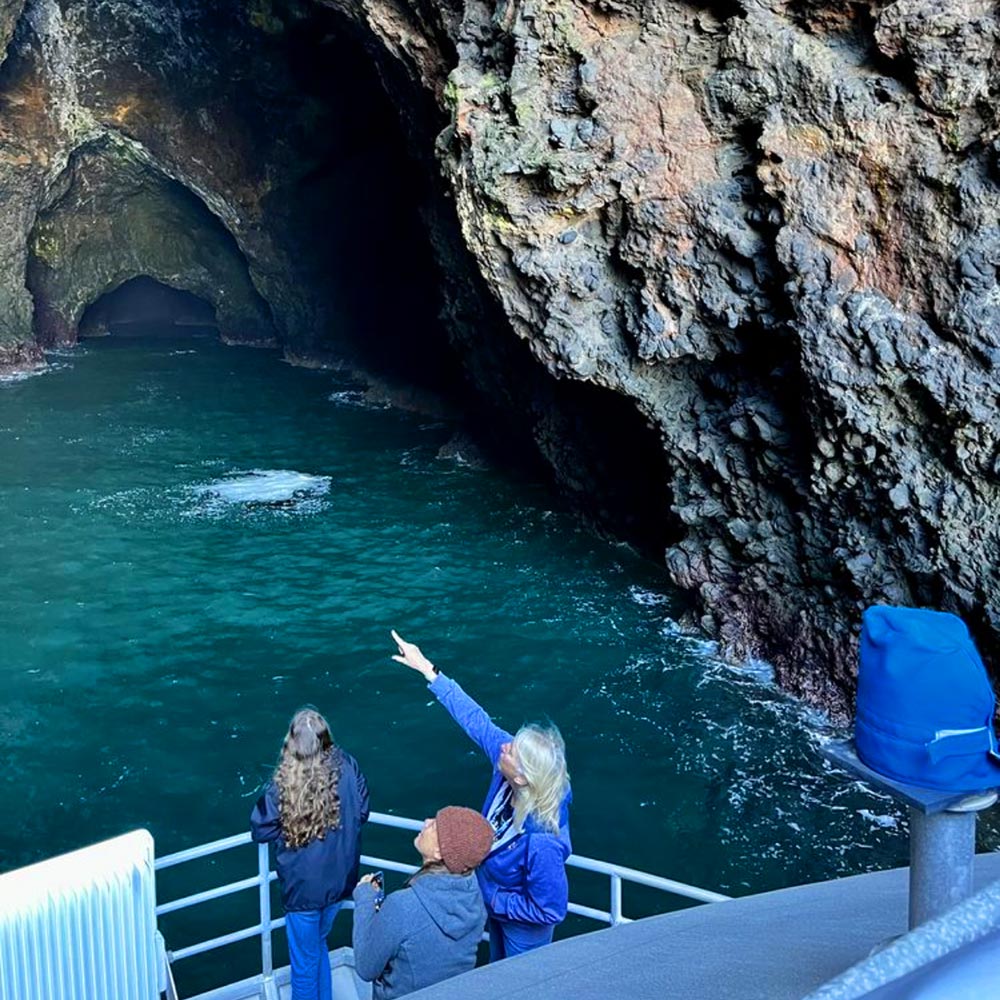
Set in Santa Barbara’s coastal environment, students take part in active scientific research both aboard a local research vessel and on land. Through rotating, hands-on stations led by scientists and educators, participants engage with the tools shaping ocean research today.
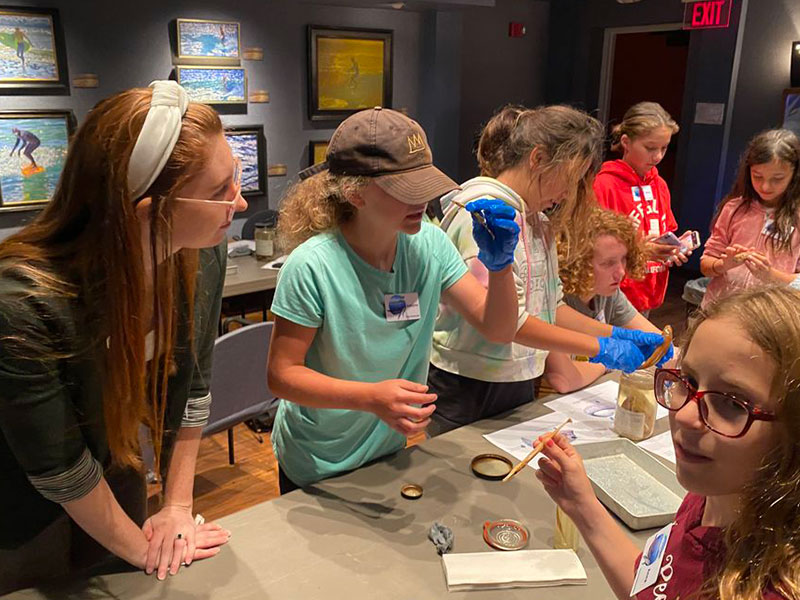
The Girls in Ocean Science program reflects SBMM’s commitment to place-based learning and expanding access to ocean science education, inspiring the next generation of ocean stewards, researchers, and innovators.
Girls in Ocean Science is generously supported by the Steinmetz Foundation.
2026 Girls in Ocean Science Conference Details
-
Grades 6–8: Saturday, September 26, 2026
-
Grades 9–12: Sunday, September 27, 2026
-
Location: Santa Barbara, California (in-person)
-
Cost: $30 per student
-
Scholarships: Available to cover the registration fee
-
Registration: Opens early August 2026
Frequently Asked Questions
Previous Years Instructor Highlights
Penny Owens
“There’s a saying that if you see it, you can be it. That’s the power of representation to expand young people’s perceptions of what they can achieve.”
-Penny Owens, 2022.
Job summary and/or description of your work/research:
I lead Channelkeeper’s education programs, which includes working with students to conduct water quality monitoring activities in local streams. I also manage Channelkeeper’s single-use plastic reduction initiative and their citizen science MPA Watch program, which trains volunteers to observe and collect data on human uses of coastal and marine resources both inside and outside of marine protected areas.
What do you enjoy most about your work/research:
One of the aspects of my job that I enjoy most is that it’s a combination of science, policy, and education. Channelkeeper’s focus to protect and restore our waterways and ocean is based locally, but we are part of a larger network of Waterkeeper organizations that work to protect and restore waterways throughout California, the country, and globally as well. I like that I get to work locally to make a difference in protecting our waterways and ocean but am also part of a larger effort. Channelkeeper is honored to participate in the Santa Barbara Maritime Museum’s Girls in Ocean Science Conference, and we are excited both to share our experiences with marine science and technology and help young women explore their own career paths in ocean science. We believe that connecting students with powerful women in this field will inspire the next generation of female scientists and empower them to solve some of the environment’s most pressing issues.
Inspiration:
I was fortunate to grow up in a family that was enthusiastic about the outdoors and supported my interest in the natural world. In the marine science field, I have always had great respect and admiration for Dr. Sylvia Earle. Not only did she serve as chief scientist for the National Oceanic and Atmospheric Administration (NOAA) and as an explorer in residence with National Geographic, but she was one of the first underwater researchers and explorers (female or male), and she is still dedicated to protecting and conserving our oceans to this day, even at 89 years old.
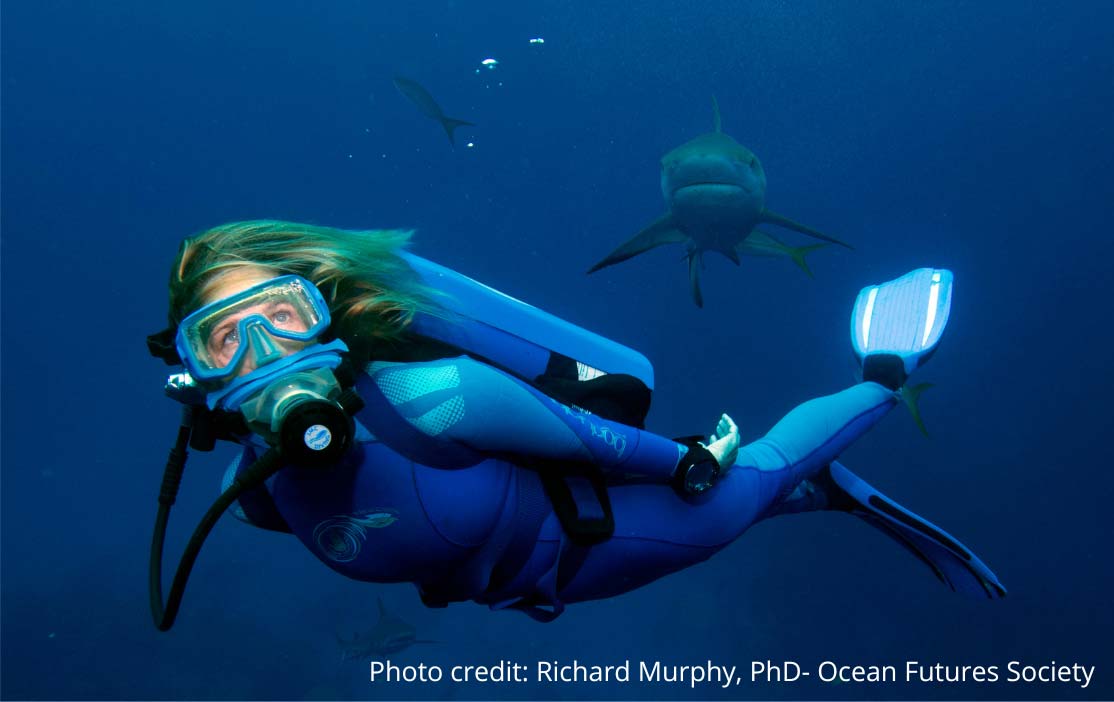
Holly Lohuis
“I remembered my first feelings of the ocean were centered around fear that the ocean would sweep me away. I enjoyed standing on the bluffs above the pounding surf at the Sea Ranch looking out into the deep blue sea but I rarely wanted to venture down to the water line.
But something shifted as I remember being mesmerized while watching the harbor seals playing in the surf below and soon I developed a love of tide pooling and learning all about ocean animals.”
-Holly Lohuis
Job summary and/or description of your work/research:
I work as a marine educator for a few different organizations. For over 25 years I worked with Jean-Michel Cousteau and his marine conservation organization, Ocean Futures Society, working as an expedition diver and marine scientist, producing documentaries about the wonders and fragility of our oceans. I love working as a naturalist for Island Packers, boat concessionaire to the Channel Island National Park and as a marine educator with Santa Barbara Maritime Museum. These experiences have inspired me to help communicate the critical connection between healthy oceans and sustainable human communities. With a passion in marine education, I love promoting the importance of ocean conservation and sustainable practices to protect marine ecosystems and the species inhabiting them. As the Co-Director of the newly designated Santa Barbara Channel Whale Heritage Area, my hope is to inspire communities to engage in marine stewardship and appreciate the profound beauty and importance of our ocean’s giants.
What do you enjoy most about your work/research:
I have always loved sharing my personal experiences of diving the world’s oceans and exploring the local outdoors in hopes of enticing people to seek their own personal connection to the natural environment and the ocean. What I especially enjoy is then seeing people develop a desire to work hard in the protection of our oceans and wilderness areas.
Inspiration:
I have always loved all animals from a very young age, thanks to my mom and dad who taught me compassion for all creatures. In 5th grade I wrote a report on “What I want to be when I grow up,” and it was about the amazing work of Dr. Sylvia Earle and her deep sea exploration. That is when I knew I wanted to be an ocean explorer, marine biologist. Dr. Sylvia Earle continues to be such an important and influential role model for me. I used one of her inspiring quotes in my TEDx talk: “The next 10 years may be the most important for our species to have the best chance in the next 10,000 years to protect what remains of the natural systems that give us life.” And one of my childhood dreams came true when I was able to go diving with her in Cozumel a couple of years ago.
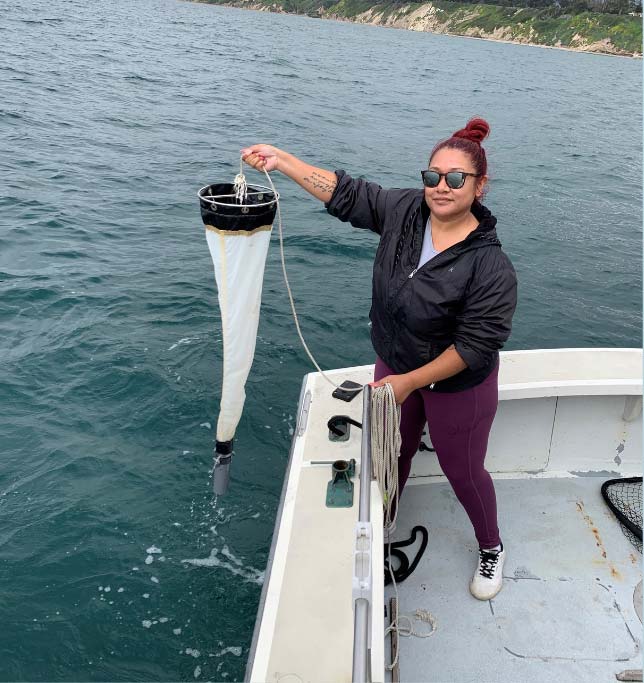
Veronica Moran
Job summary and/or description of your work/research:
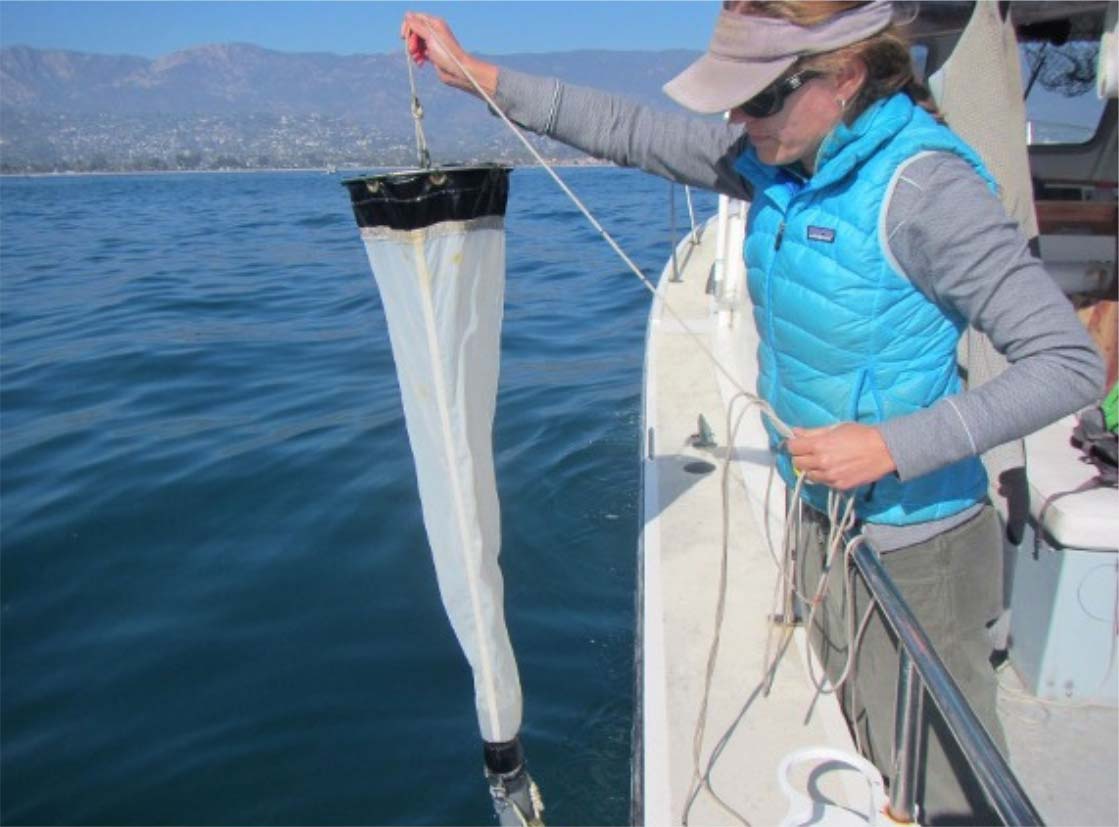
At Santa Barbara Channelkeeper our vision is for clean water, healthy habitats, abundant wildlife, and thriving communities. The main focus of my role is education, monitoring, and pollution reduction. I manage our community cleanup program which removes thousands of pounds of marine debris that can harm wildlife. I help educate local students about the importance of watersheds and clean water and help foster their connection to the marine environment. The monitoring programs I assist with include collecting human use data inside and outside of marine protected areas and collecting and processing plankton samples during Harmful Algal Blooms.
What do you enjoy most about your work/research:
I love that I get to spend a lot of time in my favorite place, the Santa Barbara Channel, doing work to help protect it. I get to play an active role in reducing the impact of pollution by conducting cleanups out on the Channel Islands to help remove lost fishing gear and trash that originates from the mainland. I often work aboard our boat the R/V Channelkeeper to collect data or to take students out on field trips to learn about marine conservation.
Inspiration:
I grew up in Santa Barbara and I have loved the ocean from a very young age. Kelp forests and the diversity of wildlife that lives in the Santa Barbara Channel amazed me. I always wanted to protect this beautiful area, but I thought it was too far out of my reach. In Junior High I volunteered for a marine science club and we went on a field trip to our local creek with Penny Owens from Channelkeeper. She taught us about water quality, the importance of healthy watersheds, and their connection to the ocean. That inspired me to work towards a career in protecting the place that I love, my local community, and the Santa Barbara Channel. And now I work with Penny taking students out on the same field trips that inspired me!
Tessa Cafritz
Job summary and/or description of your work/research:
I help people understand ecological research by translating complex science into stories that resonate with diverse audiences. At NCEAS, I collaborate with scientists and field experts on projects ranging from marine spatial planning to offshore wind energy-highlighting the wide range of ecological research happening at the Center.
Whether I’m designing infographics that bring data to life, working with scientists to craft effective messaging, or building partnerships across disciplines, my goal is to make ecological research engaging, accessible, and impactful.
What do you enjoy most about your work/research:
I love the creative challenge of finding new ways to connect people with complex scientific ideas in meaningful ways. Building bridges between people and the natural world has driven me throughout my career. Research is at the core of how we understand our world, and having the opportunity to connect people with that research feels deeply meaningful to me.
Inspiration:
I’m inspired by the women I’ve worked alongside in science and education, learning from their teaching styles and approaches to communication. The work we do is so important, and it’s empowering to see so many women making an impact. I also draw inspiration from the natural world-learning about native ecosystems deepens my connection to the work I do and shapes how I share nature with others.
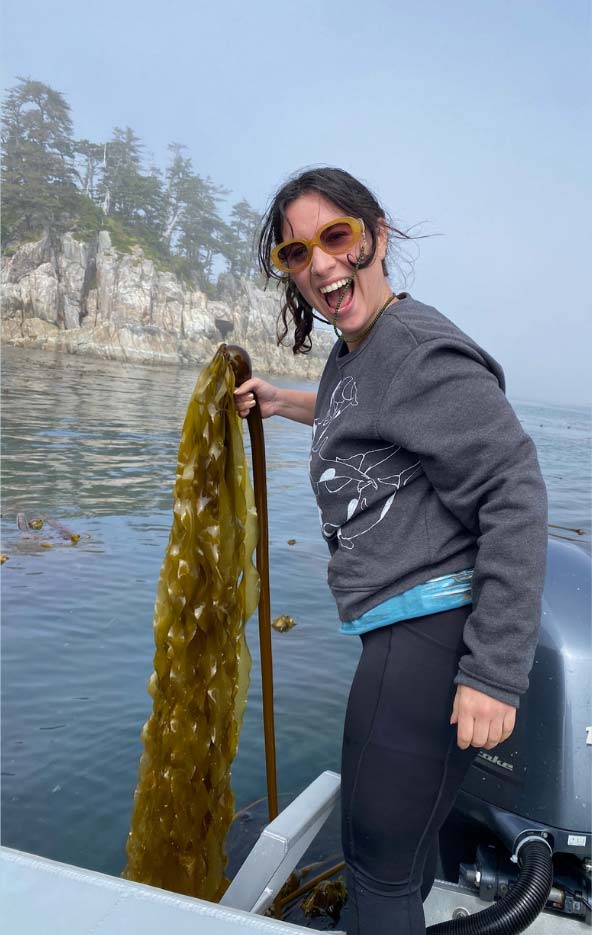
Sandra Traverso
Job summary and/or description of your work/research:
I am currently a California Sea Grant Fellow for the NOAA Channel Islands National Marine Sanctuary. I was awarded this position after completing my Master of Science at Cal Poly Humboldt and applying to the California Sea Grant Fellowship program. In this role, I support various initiatives, including our Sanctuary Advisory Council, Outreach and Education Team, Research team and our Resource Protection Team.
What do you enjoy most about your work/research:
I thoroughly enjoy my job because it offers a wide range of activities. I have the opportunity to engage with the passionate and knowledgeable communities of Santa Barbara and Ventura County, who are deeply connected to the Channel Islands and their surrounding waters. I also lead students in intertidal citizen science monitoring, contributing to a vital dataset that informs the management of these beloved ecosystems. Additionally, as a scientific diver with our research team, I search for endangered white abalone and monitor the sanctuary’s beautiful ecosystems. I also assist our resource protection team with whale conservation by developing a boater safety course to educate recreational boaters on safe interactions with wildlife in California waters. This position is incredibly rewarding, as it perfectly combines my greatest passions: the ocean, community, and science!
Inspiration:
I am inspired by nature! Curiosity for the magical ocean ecosystem and its magnificent inhabitants drives my passion for ecology. I love learning from and being inspired by people who have a deep connection to nature and are stewards of the environment.
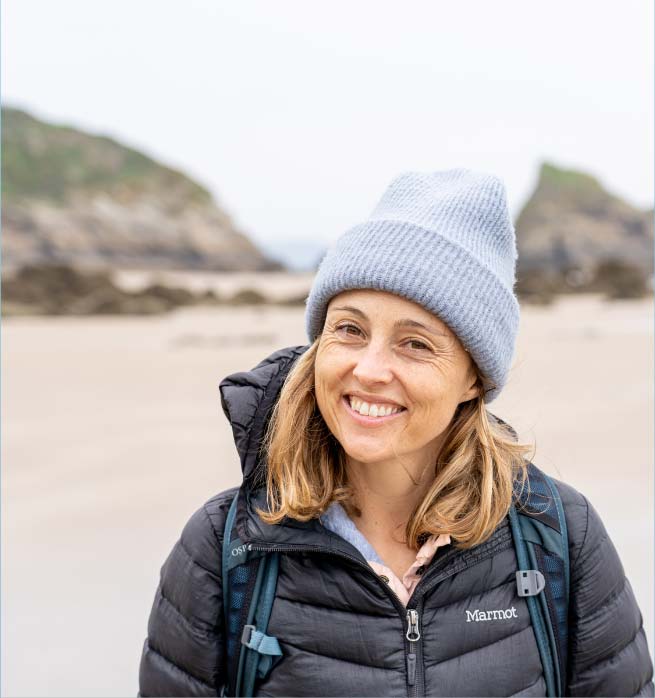
Rachel Rhodes
Job summary and/or description of your work/research:
I work as a marine scientist at the Benioff Ocean Science Laboratory at UC Santa Barbara, leading our Whale Safe project that helps prevent whale-ship collisions. Some days I’m out on the water helping report whale sightings or maintaining our underwater hydrophone (an underwater microphone that picks up whale sounds). But most days I’m behind a computer, analyzing all the data we collect – acoustic recordings, whale observations collected by naturalists and researchers, and habitat models – to figure out where whales are each day and track large ships passing through the area. We use this data to alert ship captains that whales are nearby and encourage them to slow down, which helps reduce deadly collisions.
What do you enjoy most about your work/research:
I love how varied my work is and that I never know what each day will bring. Sometimes I’m out on the ocean, and other days I’m problem-solving and working with lots of different data and technology. My job is really rewarding because I get to collaborate with so many passionate, ocean-loving people who care deeply about marine conservation. There’s something special about working with others who share that same drive to protect our oceans.
Inspiration:
Growing up, I was really inspired by my piano teacher and local activist, Hilary Houser, who founded Heal the Ocean. Hilary is an incredible diver, photojournalist, author, and activist with such an infectious love for the ocean and adventurous spirit. She showed me how you can channel your passion for the ocean into real action.
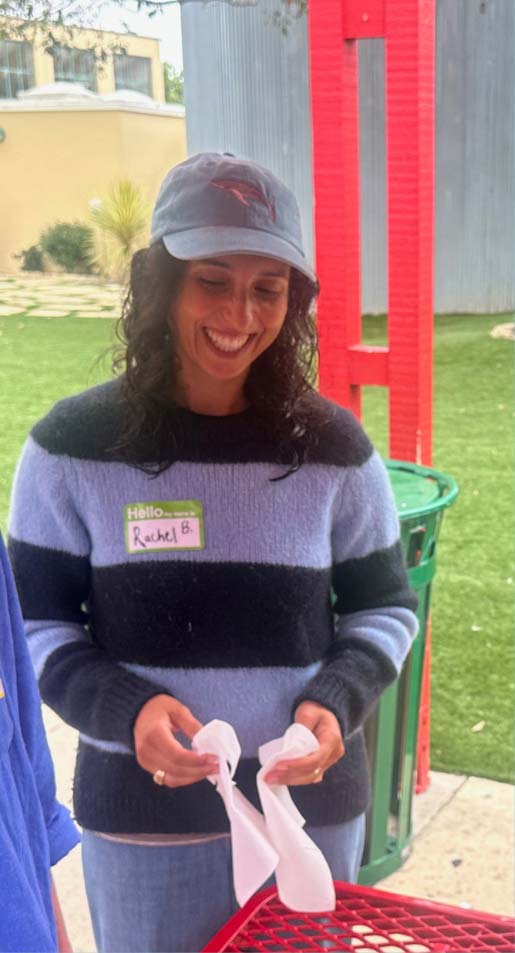
Rachel Bacal
Job summary and/or description of your work/research:
As Administrative & Outreach Coordinator for the laboratory, my mission is to maintain seamless operations for the team, while supporting my colleagues in their daily needs. Additionally, I manage our youth mentorship programs and support our lab’s communications efforts-all with the collective goal of inspiring and educating communities about the incredible wonders of the ocean and the work that must be done to protect them.
What do you enjoy most about your work/research:
While I was never a “science” person growing up, I was always really intrigued by marine science and the ocean. I love that I get to bring my own unique skills to the table (like connecting with people, thinking creatively about how to message our work, work with students and manage projects) while helping my teammates who work on more of the “hard science” aspects of the job.
Inspiration:
I’m inspired by my colleagues who study the ocean and ways we can continue to keep it healthy, I’m inspired by today’s young students who know more than I ever did at that age about climate change and being a responsible steward of the earth and are making strides to create change.
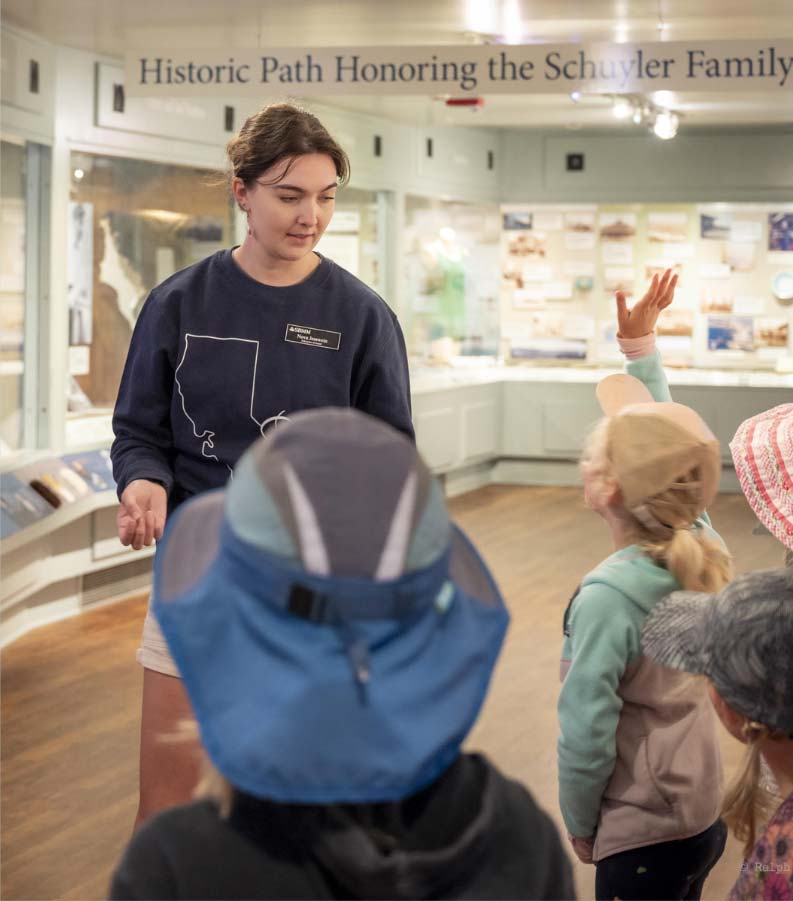
Nova Jesswein
Job summary and/or description of your work/research:
My job has a public facing side and a “behind the scenes” side. I lead outdoor programs with youth such as Maritime on the Move in the Santa Barbara Harbor and Carpinteria State Beach, a guided outdoor maritime focused tour; museum tours; and Science Nights at local elementary schools where I bring a lesson and a corresponding craft. I also get to assist on programs like Girls in Ocean Science and Marine Science, a 2-hour floating lab. My “behind the scenes” job is in archives and curatorial work. I am just starting to learn about keeping track of all of our artifacts in the museum and at our collections facility.
What do you enjoy most about your work/research:
I love how creative I can be at work, both logically and artistically. Every day at work is a little different. My job is very rewarding because I get to share experiences that can be very impactful. For example, some students/youth I work with had never seen a whale before, or had no idea that most of our oxygen comes from phytoplankton in the ocean.
Additionally, I get to work on the beach or on a boat and I always love an excuse to go to sea.
Inspiration:
I am inspired by historical female figures. I think it is fascinating to learn about pioneers in ocean science, naturalists, activists, and anyone with some connection to the ocean. So many of us feel a deep connection to the coast and it is really special to share it with others.
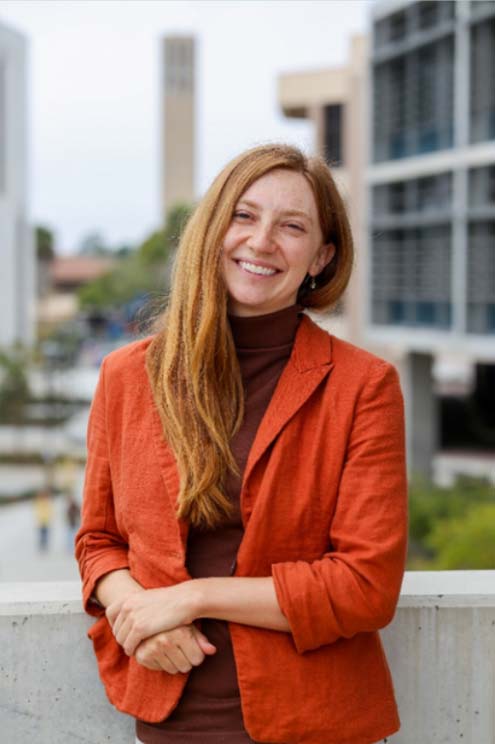
Marley Dewey, PhD
Job summary and/or description of your work/research:
I have multiple aspects to my job, including research, teaching, and service. For research, I run a lab studying and developing therapies for treating bone cancer, accelerating bone repair, preventing bone infection, and restoring coral reefs. In my lab I manage students working on these various projects, write grants to fund our work, publish our work in scientific journals, and travel around the world to share the results we find. Beyond research, I teach students at the university about Bioengineering topics such as how to repair tissues and how to perform research. I also serve on multiple committees that involve hiring new students, reviewing other researcher’s papers and grants, and other administrative positions.
What do you enjoy most about your work/research:
I love that the job feels different every day, and I have multiple aspects to my job, which keeps me busy! I especially love that I get to train and teach students to be the next generation of scientific leaders so that they can make a difference in people’s lives and our ecosystem. I also like that as the leader of my own laboratory; I get to choose the directions we go in and the cool science questions we decide to answer.
Inspiration:
As a teenager I did a bit of snorkeling on vacation and saw beautiful, vibrant coral reefs. Years later as an adult I saw these reefs again and it looked like a bomb went off underwater, these reefs were grey and nearly lifeless. It has always been a personal passion of mine to return these reefs to their former glory, and as a student in bioengineering I never thought my training would ever lead me to work in marine biology. As a leader of my own lab, I was able to connect the dots between bioengineering and marine biology and perform research that benefits humans and coral reefs.
Lizzie Duncan
Job summary and/or description of your work/research:
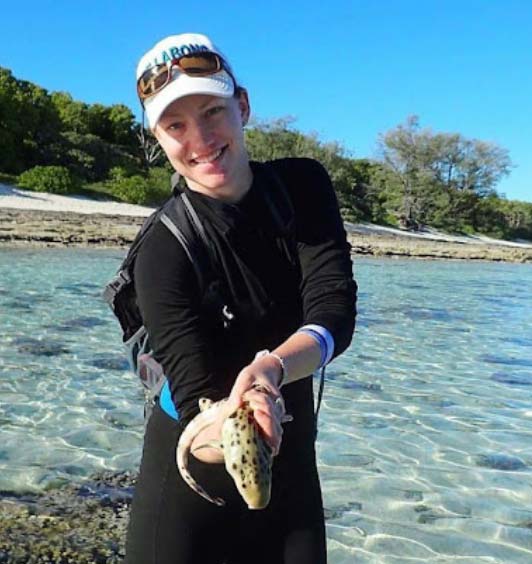
As a research ecologist for the Channel Islands National Marine Sanctuary (CINMS), I’m a part of a team that works to better understand and monitor the resources (animals like whales and fish, habitats like kelp forests and seagrass beds, and environmental factors like water quality and temperature) in and around the sanctuary. We do this in many ways, from working with partners that conduct their own research in the sanctuary, to designing and executing field projects and data analyses ourselves. My main research projects include characterizing poorly understood habitats in CINMS, such as seagrass beds and deep-sea coral habitats. My role at the sanctuary allows me to participate in every stage of research from project design to data analysis and outreach with the public.
What do you enjoy most about your work/research:
I enjoy wearing many hats and being a part of a number of different projects. I recently coordinated a large, 4-year long research program focused on exploring deep-sea coral and sponge habitats along the West Coast. As a coordinator, I’ve been fortunate to participate on a handful of expeditions that use cutting-edge technologies – like remotely operated vehicles – to put eyes on parts of the seafloor that have never been surveyed.
Inspiration:
I feel very lucky to have had a number of influential people in my life who encouraged and mentored me throughout my education and entry to my career. As an undergraduate, these positive relationships were largely born out of taking advantage of volunteer opportunities and office hours. Yvette Ralph is the marine lab technician who kept both the lab and the boats running smoothly while managing all the volunteers and assistants. She was my first strong female role model in marine science. I admired her confidence, competence, and leadership in an otherwise male-dominated department. As a result, I challenged myself to go outside my comfort zone and learn new skills that I may not have pursued otherwise – like getting SCUBA certified my senior year of college. I also found great mentors by volunteering in different marine research labs that focused on various topics from intertidal ecology to fish physiology.
Lindsey Peavey Reeves
Job summary and/or description of your work/research:
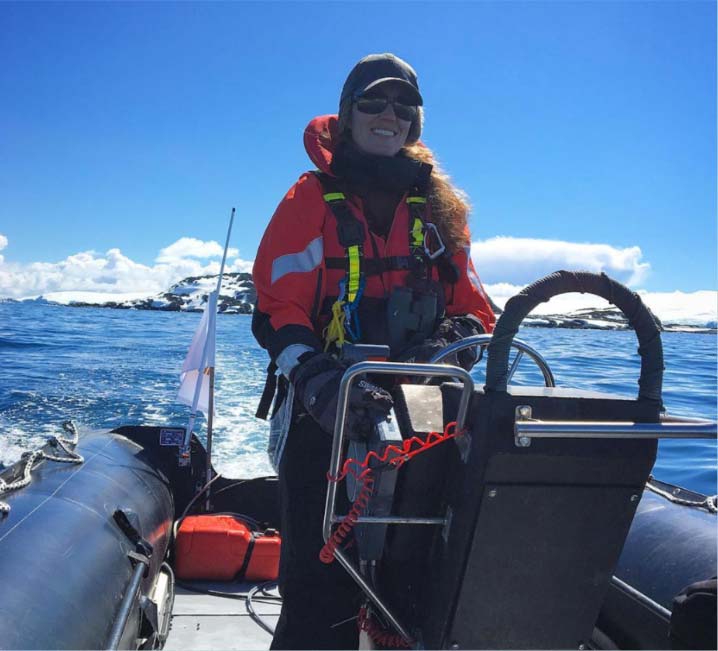
I am an applied ecologist focused on marine conservation. I work with a diverse and dynamic team of government, industry, NGO, private sector, and academic partners to continuously monitor broadband underwater sound across a large network of ocean observation stations in and around U.S. national marine sanctuaries. This effort includes integrating standardized soundscape and biological data products (e.g., whale presence and ship noise) into ecosystem-based research and conservation management programs, species recovery plans, and risk assessments. Through my work, I advance, support, and innovate collaborative research that fills critical knowledge gaps, spans disciplines to find solutions, engages stakeholders, and informs sustainable management to help ensure that marine ecosystems are healthy for many generations to come. I’m passionate about enhancing the roles and experiences of women, minorities, marginalized and underrepresented groups in ocean science.
What do you enjoy most about your work/research:
There are so many amazing things about working in marine science, it’s hard to choose one. I’m grateful for the connections that I have with nature and with great people through my work, which mirrors how interconnected ecosystems are, and how important each individual relationship is to the strength and health of the whole system.
Inspiration:
When I was a sophomore in high school, a basketball coach of mine, Cindy Moss, was a science teacher at a neighboring high school. She encouraged me to enroll in Science at SEA, a marine science summer program in Woods Hole, MA. It was a 20-day program, 10 of which we spent on a schooner circumnavigating Cape Cod assisting scientists with their oceanographic studies. Through this experiential learning opportunity, I was exposed to ocean science careers. I was amazed that I could earn a living exploring the ocean and discovering new things, and I never looked back.
Dr. Emily Meese
Job summary and/or description of your work/research:
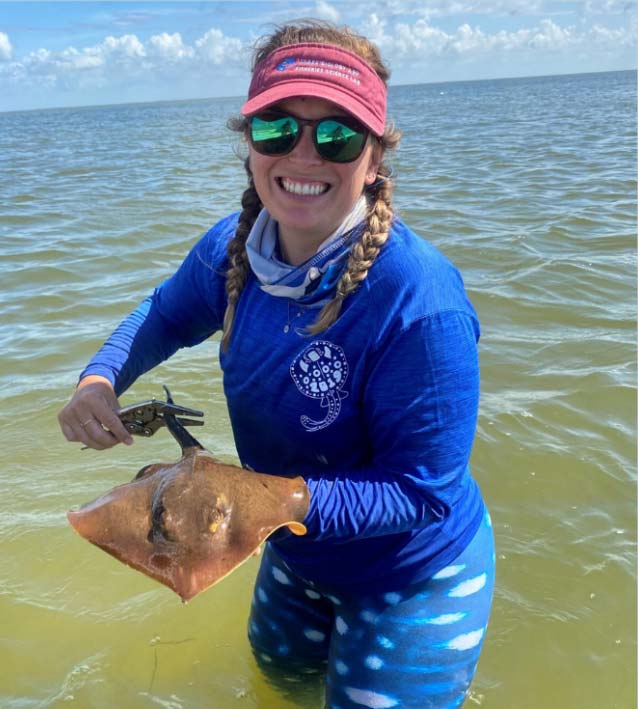
I am a postdoctoral scholar with the Marine Science Institute at UCSB and NOAA Channel Islands National Marine Sanctuary. A postdoc is a temporary, mentored research position for after a Ph.D. program where I can gain more experience, refine my skills, and build my network for a future permanent position. Mainly, I analyze fish and shark movements in and around US Marine Sanctuary borders, prepare papers for publication, and help tag fishes and sharks to study their movement patterns and habitat use.
What do you enjoy most about your work/research:
Instead of focusing on one single project, I get to work on several different datasets spanning multiple species and regions around the world including the west coast, the east coast, and the Pacific Islands. I also get many opportunities to network and collaborate with researchers across disciplines which help broaden my own knowledge and understanding of animal movement and habitat use. My favorite days are spent on boats in the field catching and tagging animals in beautiful places like the Channel Islands. Seeing sharks and rays right here in our backyard is a rewarding reminder that my work matters to ensure future generations get to see cool species in incredible places.
Inspiration:
I get a lot of my inspiration from Eugenie Clark, one of the first female scientists who studied shark behavior. She proved wrong many myths and misconceptions about sharks, helping increase their popularity in the public, and promoting better conservation and management of sharks. I am also inspired by staff working across US National Marine Sanctuaries who work so hard to preserve such special underwater places.
Dana Myers
Job summary and/or description of your work/research:
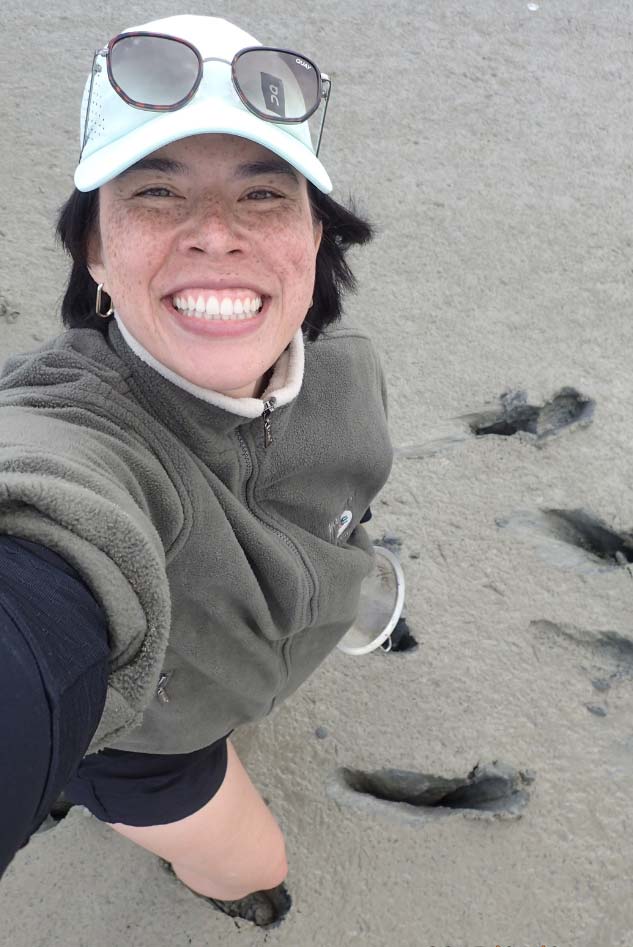
I am a Marine Science Ph.D. student at the University of California, Santa Barbara studying how rivers and oceans mix together in places called estuaries. I use images taken from space to learn how water moves and changes in these important habitats to better understand how to help these places stay healthy for animals and people. I’m especially passionate about making sure science is welcoming to everyone, because I believe different perspectives make for better ideas to solve big environmental problems.
What do you enjoy most about your work/research:
Being a marine scientist has taken me all over the world, including Australia, The Netherlands, and Japan! When I am not researching on my computer, you can find me out in the water putting out scientific instruments or flying drones over kelp forests off the coast of Santa Barbara. I enjoy building my community and meeting cool people all over who do amazing work geared toward protecting our environment.
Inspiration:
I grew up in Long Beach, California and have been within an arm’s reach of the ocean all my life. My passion to study the ocean has always been there but it is through my scientific community that I built while studying Environmental Science at the University of California, Davis that truly made me think I could make this my career. Surrounded by mentors and classmates who shared my curiosity, I realized that studying the ocean wasn’t just a dream but it was something I could do every day to help protect the places I love.
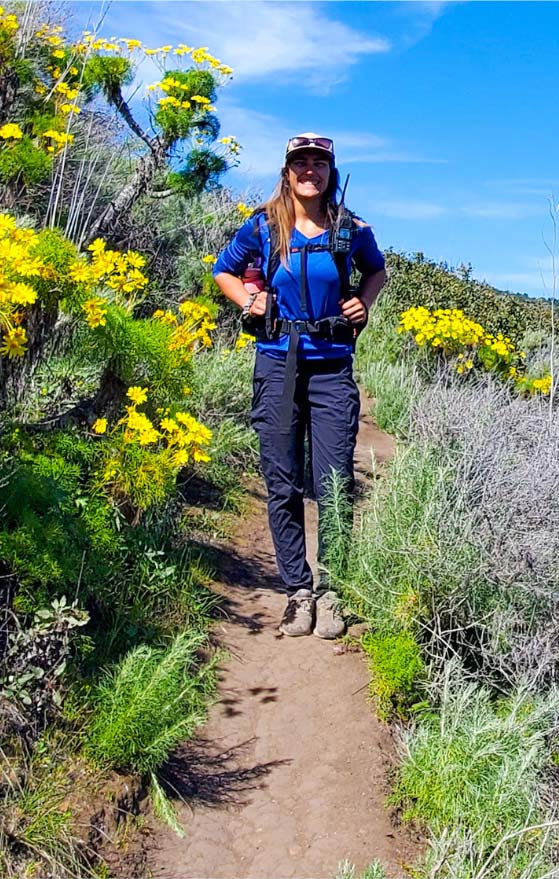
Brittney Hamm
Job summary and/or description of your work/research:
I have the privilege to study nature with visitors to Channel Islands National Park, Carpinteria, and Santa Barbara! We get to watch whales and dolphins, get hands-on with nature activities, identify plants, observe how humans impact the world around us, and figure out how it’s all connected!
What do you enjoy most about your work/research:
Every day I’m able to show a new group of nature-lovers what’s so special about the world around them, and hopefully spark interest in protecting it!
Inspiration:
Who is my biggest influence? The easy answer would be my parents who brought me into nature at a young age and have encouraged me to pursue a meaningful career my entire life. However, lately the Earth herself has been the greatest motivation for what I do. She is changing rapidly and losing biodiversity at an alarming rate, so it’s important to get as many people as possible involved and excited about nature to help make a positive change for the future. Why would someone care to protect something they don’t know much about? Seeing our impacts firsthand is a huge motivator for not only me, but the people I teach every day!
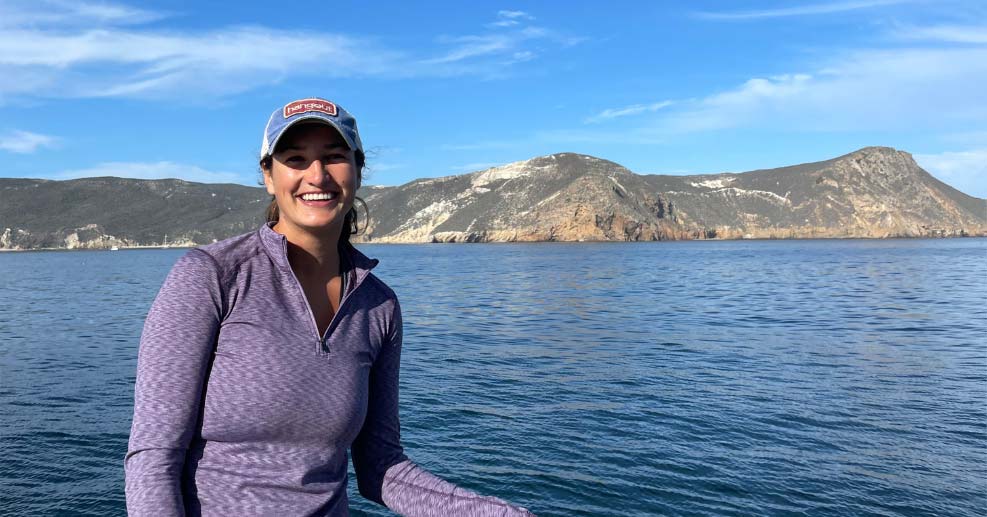
Anastasia Kunz
Job summary and/or description of your work/research:
I work on a variety of marine resource protection topics including using remote sensing (sound, aerial survey data, radar & satellite imagery) to inform enforcement and conservation in the ocean environment. Most of my work falls into three categories: supporting enforcement through technology, whale conservation, and acoustics data processing. Most of my time is spent analyzing spatial data in some way, but I also get to spend some time in the field (or in the air!).
What do you enjoy most about your work/research:
I enjoy knowing that the projects I work on have direct results in conservation. I love research, but I especially love that my research is applied problem solving! It reminds me that what I do has an impact and makes me excited to go to work every day! Of course, I also love being out in the field.
Inspiration:
Lindsey Peavey Reeves! Lindsey is the West Coast coordinator of the passive acoustic monitoring program that we work on, and a wonderful scientist and role model. I asked her (out of the blue) if I could work with her during the first year of my master’s program, and she welcomed me into the ocean acoustics world even though I didn’t have very much experience! She encouraged me to follow my interest in ocean science and conservation through remote sensing and helped me find a foothold in this professional space. She is willing to help students, young women especially, to get into the field of ocean sciences. I am very grateful she answered my email three years ago. I wouldn’t be where I am without Lindsey!
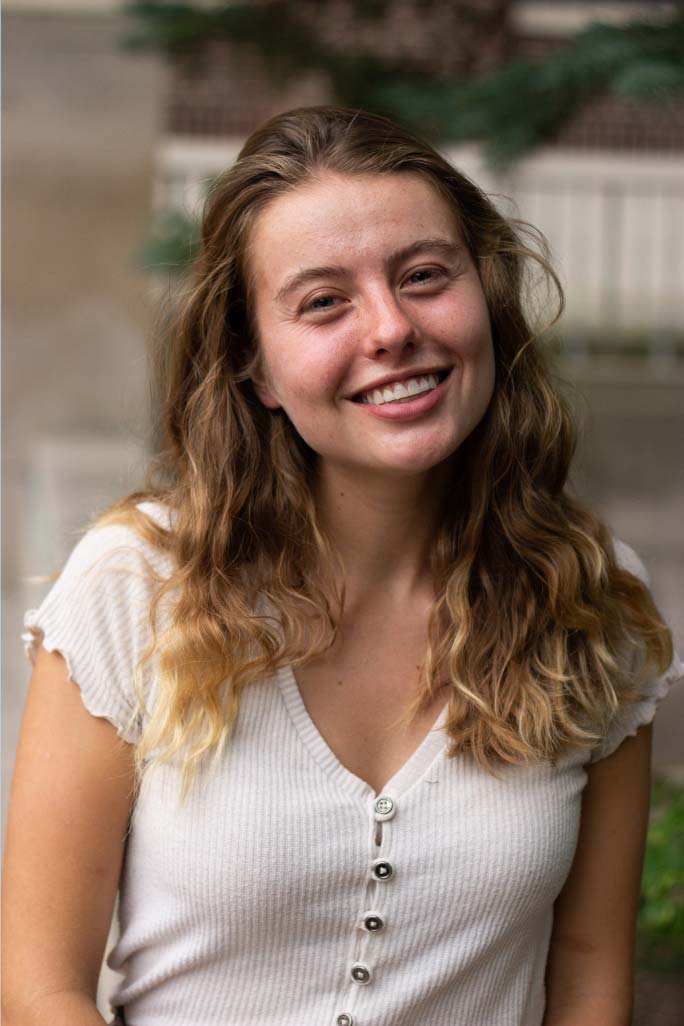
Abigail Meyer
Job summary and/or description of your work/research:
As a data scientist and software developer, I’m mainly working behind the scenes (and behind a computer!) for ocean conservation. I work on a team that builds a tool to help design Marine Protected Areas. The tool, SeaSketch, helps counties and states decide where to put Marine Protected Areas and was originally developed to help design California’s MPA network. We work with a lot of countries and regions across the globe, including Brazil, Bermuda, Belize, Norway, and the Azores, and my job includes talking to our partners and designing the tools they need to designate conservation areas. On occasion, I travel to our partner countries and help lead workshops.
What do you enjoy most about your work/research:
I love learning about how places and people around the world use, value, and manage their oceans. I’m able to learn so much about the relationship of communities to their marine environment through my job. I’m lucky to work with incredible ocean scientists across the world everyday!
Inspiration:
I’m inspired by the teachers in our communities. I believe that we will have a better future if we encourage and support students and the next generation. Our teachers are everyday putting their energy, time, and passion into this mission.
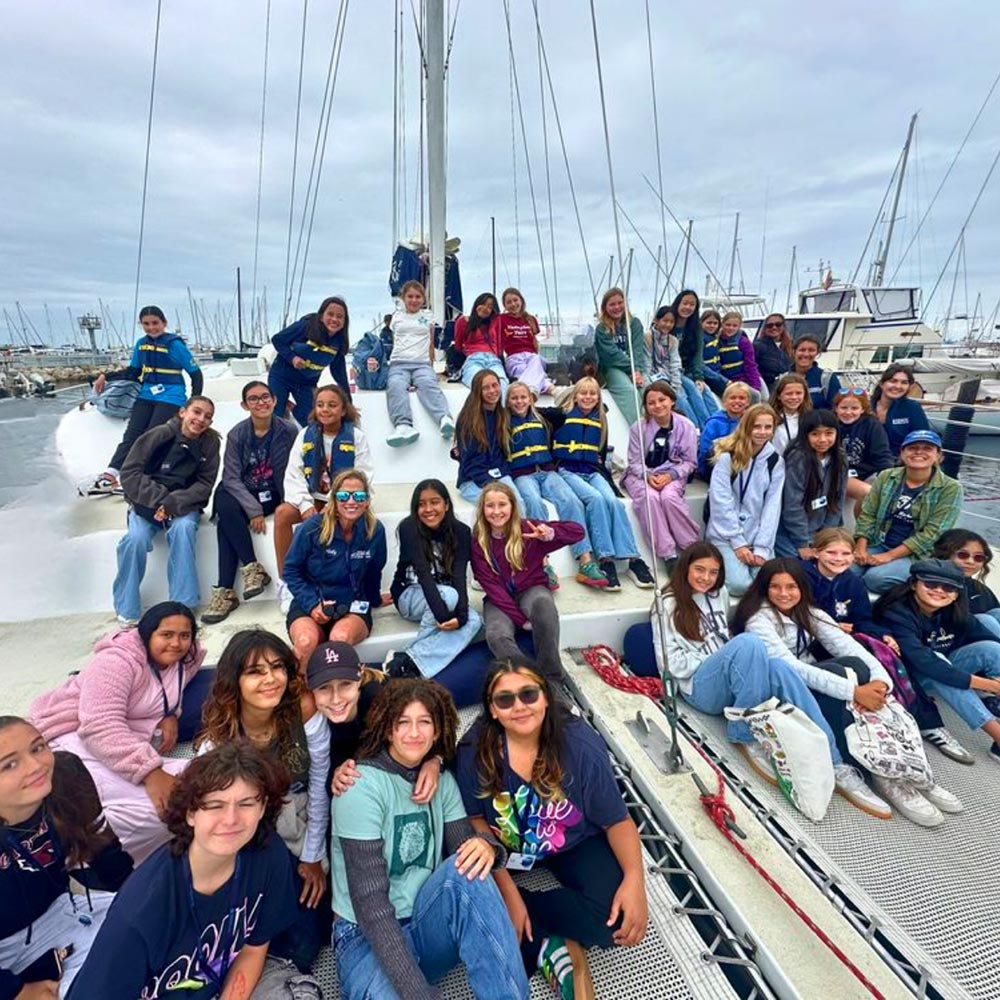
Explore moments from past events by clicking the images below.
Girls in Ocean Science Conference Participating Scientist Organizations
Event Co-Chairs